UAE App Nawat Set to Transform Menopause Support Across Arab World, Including Conflict Zones
The app provides vital health resources and mental health support for women, particularly in war-torn regions.
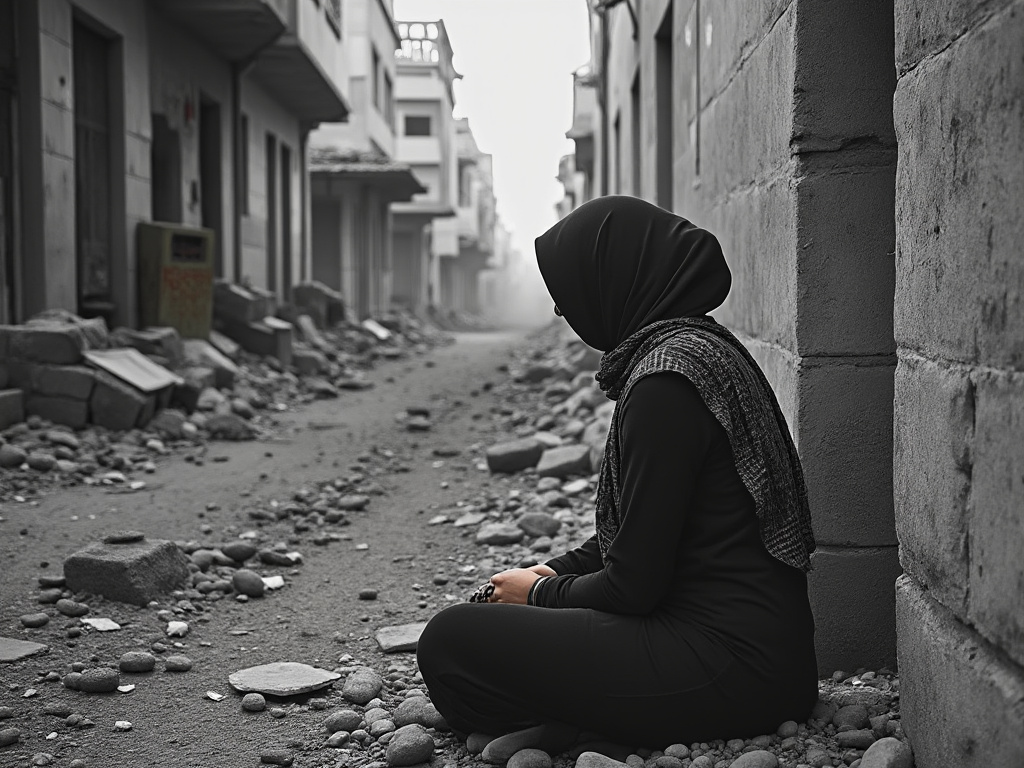
A new application, Nawat, is poised to enhance menopause support and address various health concerns for women in the Arab world, including those residing in areas marked by conflict.
Launched as a website last year, the app is the innovation of public health expert and sex educator Noor Jaber and is scheduled for download by the end of the month.
Nawat aims to serve as a comprehensive resource, offering judgement-free access to educational content on topics that encompass menstruation, menopause, and sexuality, available in both English and Arabic.
The design of the app prioritizes anonymity, allowing women of all ages to seek information and book consultations without fear of stigma.
Jaber emphasized that it is crucial for services offered through the app to be culturally sensitive, noting that facilitators are fluent in Arabic and familiar with cultural nuances relating to women's health issues.
The platform currently collaborates with ten specialists from across the Arab region to address a range of sensitive topics.
Nawat is being tested in partnership with local organizations and communities in conflict zones, with assistance from Oxfam.
A pilot program is currently active, engaging 100 women from three different countries to refine the platform's content and accessibility.
Feedback gathered from these participants has identified language preferences that make users more comfortable with the services.
The pilot program includes subsidized services, further encouraging women to seek help.
Addressing menopause, which has traditionally been a taboo subject, Dr. Hesham Arab, a Saudi gynecologist and obstetrician, highlighted the significance of open conversation around women's health, stating that many women suffer in silence due to societal stigma.
Dr. Arab identified a shortage of available treatments and medications as a critical issue while also advocating for increased awareness through innovative technologies.
In related regional developments, Dubai's residential property market is experiencing significant changes, with a projected supply of 243,000 new residential units expected by 2027. This surge in housing availability is anticipated to stabilize property prices and rental costs, which have seen substantial increases over the past four years.
Areas like Jumeirah Village Circle and Business Bay are expected to see the highest new supply, aimed at alleviating the pressure of high demand in the housing market.
As Dubai continues its construction boom, real estate consultancy Cavendish Maxwell has reported an average of 400 new off-plan units launched daily throughout the previous year.
This growth has attracted considerable interest from both local and international investors, particularly from countries such as India and China.
Amidst this growth, signs of market corrections have emerged, reflecting a balance required for sustainable development in the sector.
This increase in housing inventory and changes in market dynamics are expected to shape Dubai's residential near-future.
Additionally, public safety issues have emerged, with recent arrests made in Dubai for multiple offenses, including public drunkenness and assaults on police officers.
Legal authorities emphasize that enforcement applies equally to all individuals, establishing a strong message against such behaviors during Ramadan, a time when begging offenses typically rise.
The police have intensified their efforts to curb begging, particularly in places of worship and marketplaces, maintaining public order during the holy month.
Launched as a website last year, the app is the innovation of public health expert and sex educator Noor Jaber and is scheduled for download by the end of the month.
Nawat aims to serve as a comprehensive resource, offering judgement-free access to educational content on topics that encompass menstruation, menopause, and sexuality, available in both English and Arabic.
The design of the app prioritizes anonymity, allowing women of all ages to seek information and book consultations without fear of stigma.
Jaber emphasized that it is crucial for services offered through the app to be culturally sensitive, noting that facilitators are fluent in Arabic and familiar with cultural nuances relating to women's health issues.
The platform currently collaborates with ten specialists from across the Arab region to address a range of sensitive topics.
Nawat is being tested in partnership with local organizations and communities in conflict zones, with assistance from Oxfam.
A pilot program is currently active, engaging 100 women from three different countries to refine the platform's content and accessibility.
Feedback gathered from these participants has identified language preferences that make users more comfortable with the services.
The pilot program includes subsidized services, further encouraging women to seek help.
Addressing menopause, which has traditionally been a taboo subject, Dr. Hesham Arab, a Saudi gynecologist and obstetrician, highlighted the significance of open conversation around women's health, stating that many women suffer in silence due to societal stigma.
Dr. Arab identified a shortage of available treatments and medications as a critical issue while also advocating for increased awareness through innovative technologies.
In related regional developments, Dubai's residential property market is experiencing significant changes, with a projected supply of 243,000 new residential units expected by 2027. This surge in housing availability is anticipated to stabilize property prices and rental costs, which have seen substantial increases over the past four years.
Areas like Jumeirah Village Circle and Business Bay are expected to see the highest new supply, aimed at alleviating the pressure of high demand in the housing market.
As Dubai continues its construction boom, real estate consultancy Cavendish Maxwell has reported an average of 400 new off-plan units launched daily throughout the previous year.
This growth has attracted considerable interest from both local and international investors, particularly from countries such as India and China.
Amidst this growth, signs of market corrections have emerged, reflecting a balance required for sustainable development in the sector.
This increase in housing inventory and changes in market dynamics are expected to shape Dubai's residential near-future.
Additionally, public safety issues have emerged, with recent arrests made in Dubai for multiple offenses, including public drunkenness and assaults on police officers.
Legal authorities emphasize that enforcement applies equally to all individuals, establishing a strong message against such behaviors during Ramadan, a time when begging offenses typically rise.
The police have intensified their efforts to curb begging, particularly in places of worship and marketplaces, maintaining public order during the holy month.
Translation:
Translated by AI